




Walking to the kitchen, sitting down for a meal, or stepping into the shower can take more effort when you’re living with Parkinson’s. Tremor, stiffness, and changes in balance can make familiar routines feel less manageable, sometimes leaving both you and a loved one unsure of how much help is needed.
The right Parkinson’s aids can support independence and make everyday tasks easier to manage. When chosen and used appropriately, daily-living equipment can also improve safety and ease some of the physical demands on caregivers. These tools provide practical support; they do not treat Parkinson’s itself.
Choosing equipment starts with identifying the task that needs support, whether that’s walking, bathing, or recovering after a fall. Ahead, we’ll explore useful options, explain how to choose them for individual needs, and cover how to use them safely.
How to Choose the Right Parkinson’s Aids
If you’re wondering how to help someone with Parkinson’s, start by asking which everyday tasks feel difficult or unsafe. Is your loved one unsteady when turning, struggling to control a walker’s brakes, or finding showers exhausting? Choose support around those specific challenges, while involving them in decisions about their own routine.
Needs often change as Parkinson’s progresses. Someone with mild balance difficulties may need limited support, while another person may require more assistance with walking, bathing, or transfers. However, disease stage alone cannot determine the right equipment: symptoms, strength, thinking skills, and home layout also matter.
Look Beyond a Wide Base
Stability depends on how equipment performs during movement. Check that the frame feels secure, the height adjusts appropriately, and the weight capacity suits the user. For bathroom seating, consider nonslip feet and whether the chair fits securely inside the shower.
Make Everyday Use Manageable
Parkinson’s adaptive equipment should be manageable for the person using it. Test whether tremor or reduced grip strength makes handles, brakes, buttons, or adjustment mechanisms difficult to operate. Consider whether they can remember and follow the steps needed to use the aid safely.
Before choosing a device for Parkinson’s, measure doorways, check turning space, and consider where it will be stored. Equipment should fit the places and activities where support is needed most.
10 Parkinson’s Aids for Daily Independence
These aids support different daily tasks. Choose options that match your symptoms, abilities, and care team’s advice.
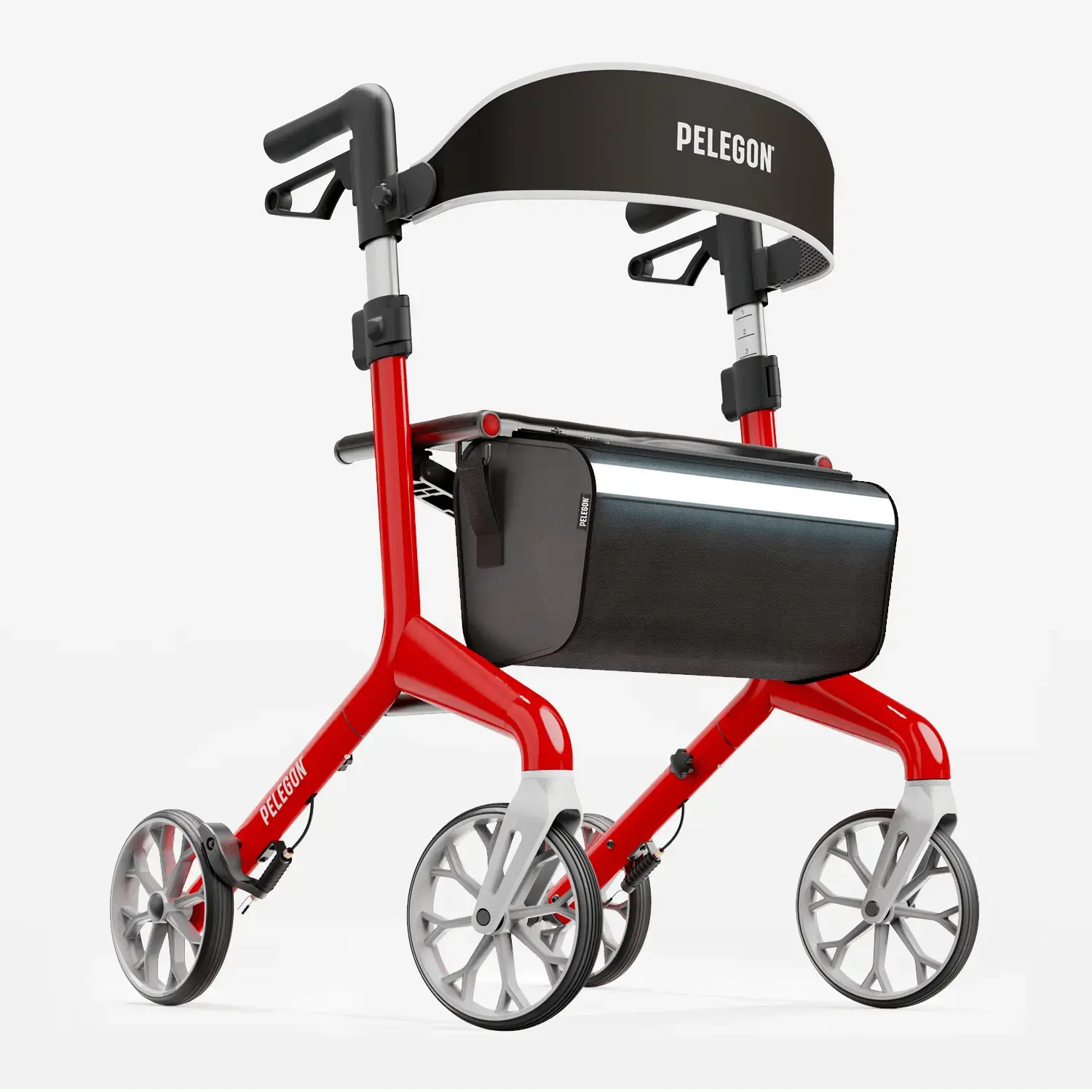
Pelegon Rollator Walker with Seat
This rollator walker with seat combines walking support with a place to rest during outings. Adjustable handles help tailor the fit, while a storage bag keeps essentials nearby. It may suit people who can steer and operate the brakes safely.
- Lightweight 15.6 lb frame
- Folds to 7.5 inches wide
- Padded seat; 300 lb capacity
Use safely: Lock the parking brakes before sitting on firm, level ground.
Keep in mind: Freezing or difficulty braking calls for a therapist’s assessment.

RMS Deluxe 28-Inch Wood Dressing Stick
This dressing stick extends your reach when stiffness makes bending or reaching behind you difficult. Its coated hooks help guide clothing and catch zipper loops. The long shaft can make parts of dressing easier from a seated position.
- 28-inch reach
- Two hook styles
- Lightweight wooden shaft
Use safely: Sit on a stable chair if standing balance is uncertain.
Keep in mind: Positioning the hooks may be difficult with pronounced tremor.
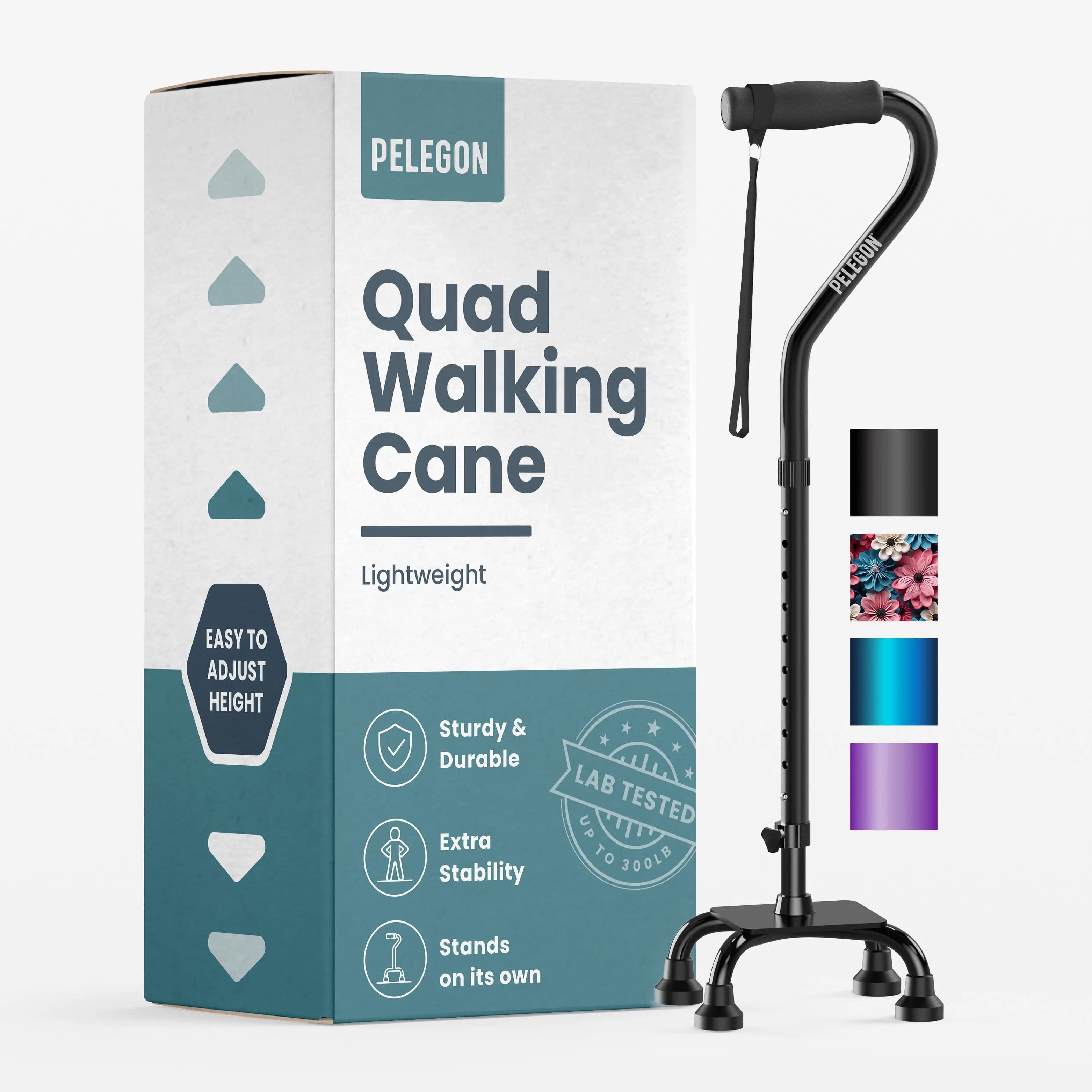
Pelegon Quad Cane with 4-Prong Base
This adjustable cane provides one-handed support and a self-standing base. Quad canes can be unsuitable for Parkinson’s when their feet do not contact the ground evenly. Consider this model only after a physical therapist assesses and approves it.
- 29.5–38.5-inch height adjustment
- Lightweight 2.1 lb frame
- 300 lb stated capacity
Use safely: Have a therapist assess the cane and teach its use.
Keep in mind: A self-standing base does not guarantee walking stability.

HOSUKU Adult Sippy Cup
This 13.5 oz handled cup helps contain spills when hands are shaky. Its wide handle offers a larger grasp area, while interchangeable lids provide different drinking options. Anyone with swallowing difficulties needs guidance on cup and straw suitability.
- Lid and gasket contain spills
- Wide handle
- Detachable straw components
Use safely: Follow swallowing-team advice on straws and drinking position.
Keep in mind: Check the filled cup’s weight and clean all straw parts.
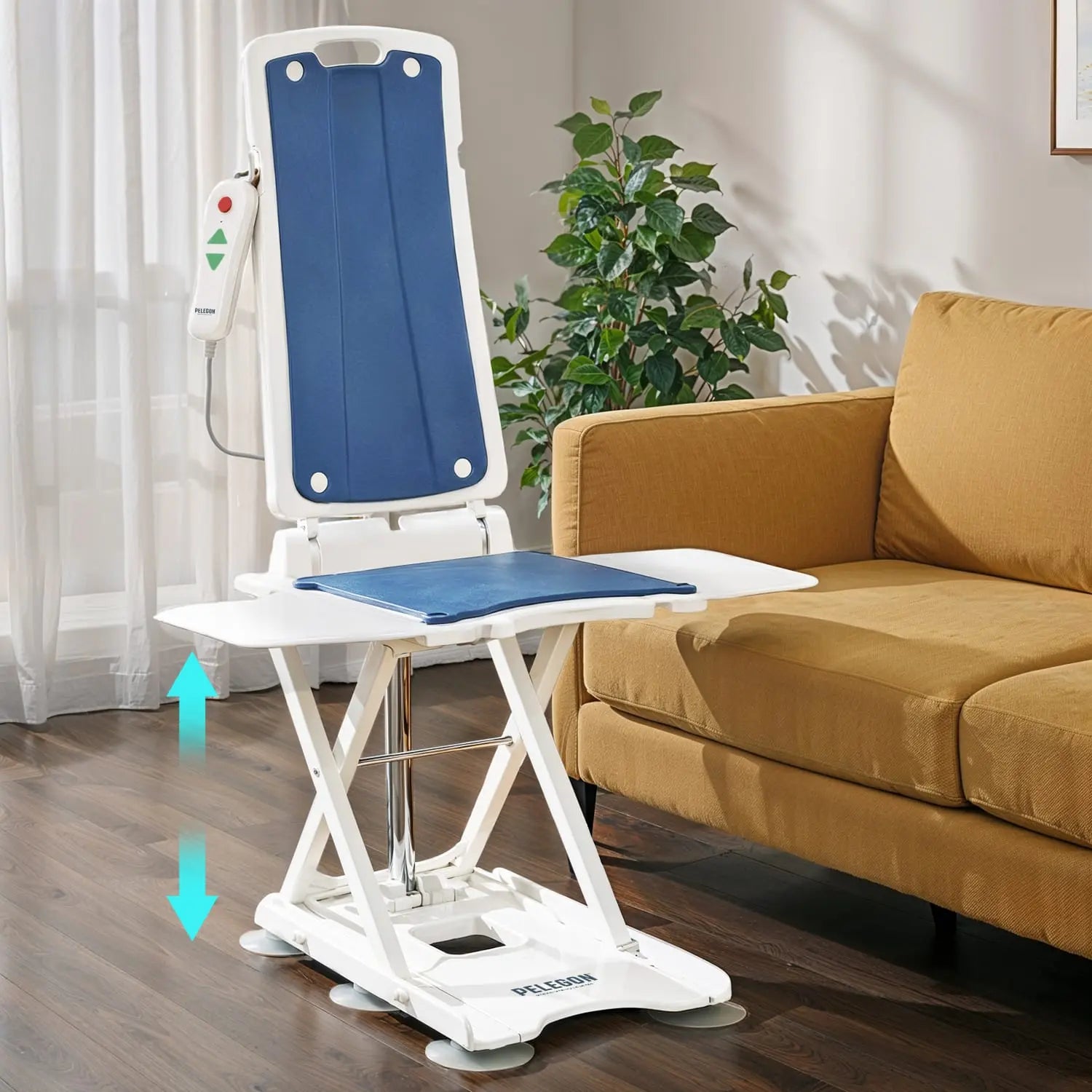
Pelegon Electric Lift Chair for Fall Recovery
This electric floor lift raises a seated person to about 18 inches after safe positioning. A three-button remote controls the lift, helping reduce manual lifting demands. It supports planned floor recovery when getting up is difficult and no serious injury is suspected.
- Lifts to approximately 18 inches
- Three-button remote
- Folds for storage
Use safely: Seek help before moving someone with a suspected serious injury.
Keep in mind: Confirm capacity and positioning instructions before use.

Bluereo Electric Suction Toothbrush G100
The G100 combines electric brushing with suction for assisted mouth care. It may help when tremor or stiffness makes brushing and spitting difficult. A dental professional can advise on technique and suitability, particularly when swallowing problems are present.
- Electric brushing
- Integrated suction
- Handheld design
Use safely: Ask a dental professional about positioning and technique.
Keep in mind: Suction components need cleaning and replacement as directed.
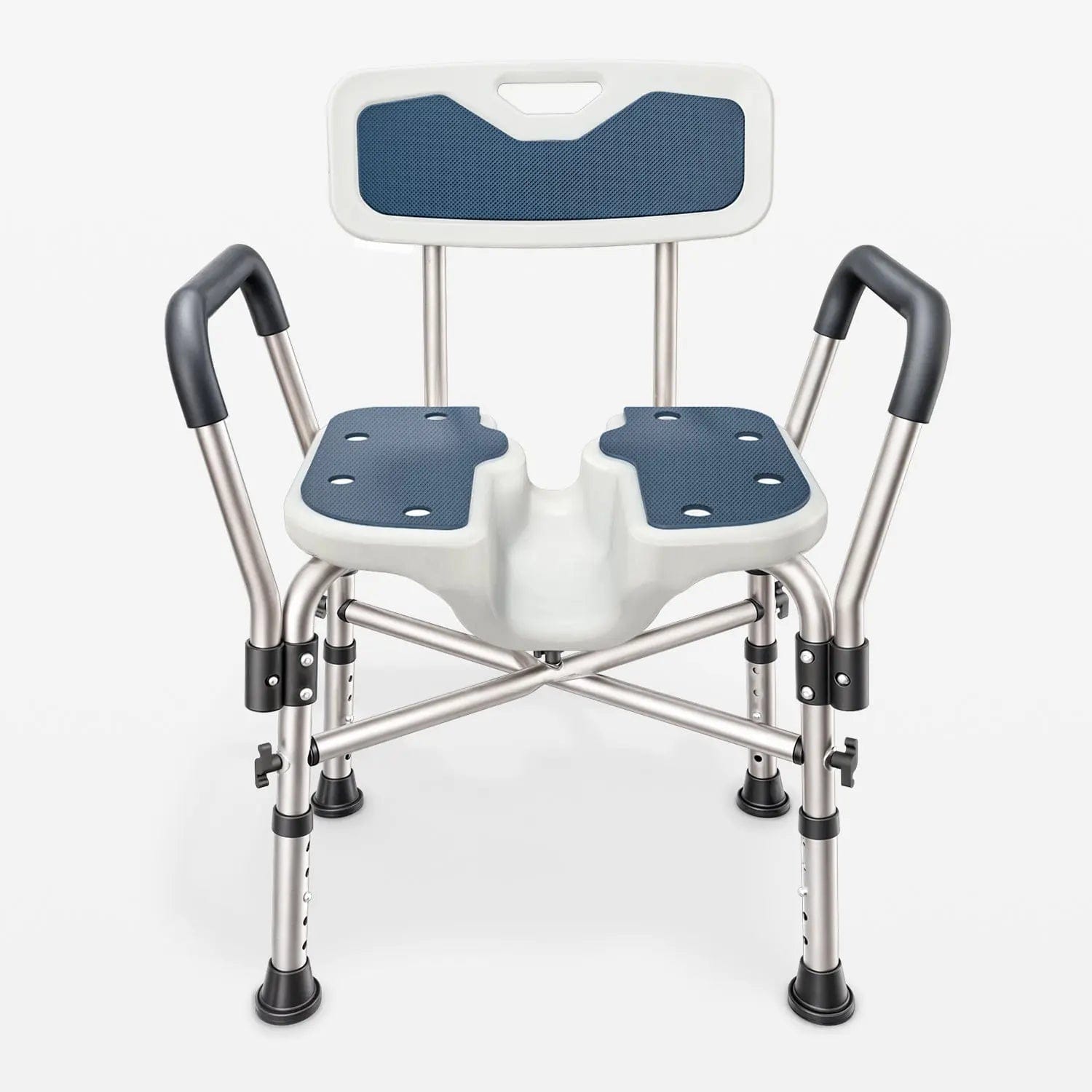
Pelegon U-Shaped Shower Chair
This shower chair supports seated washing when stiffness or balance changes make standing difficult. Its U-shaped opening allows access for personal hygiene, while armrests and a padded seat add comfort. Adjustable legs help set an appropriate seated height.
- U-shaped hygiene opening
- 450 lb stated capacity
- 16–20-inch seat height
Use safely: Adjust the legs evenly and check that all feet sit securely.
Keep in mind: Stepping over a bathtub wall may require a different setup.

Wentur Weighted Pen for Hand Tremors
This thick pen offers a wider gripping surface for signatures and short notes. Its approximately 99-gram weight may feel steadier to some users, but benefits vary. Try it briefly to check whether the added weight improves comfort or causes hand fatigue.
- Approximately 1-inch barrel
- Non-slip rubber grip
- Retractable tip and refills
Use comfortably: Start with short writing sessions and stop if strained.
Keep in mind: A lighter adapted grip may be more comfortable for some users.
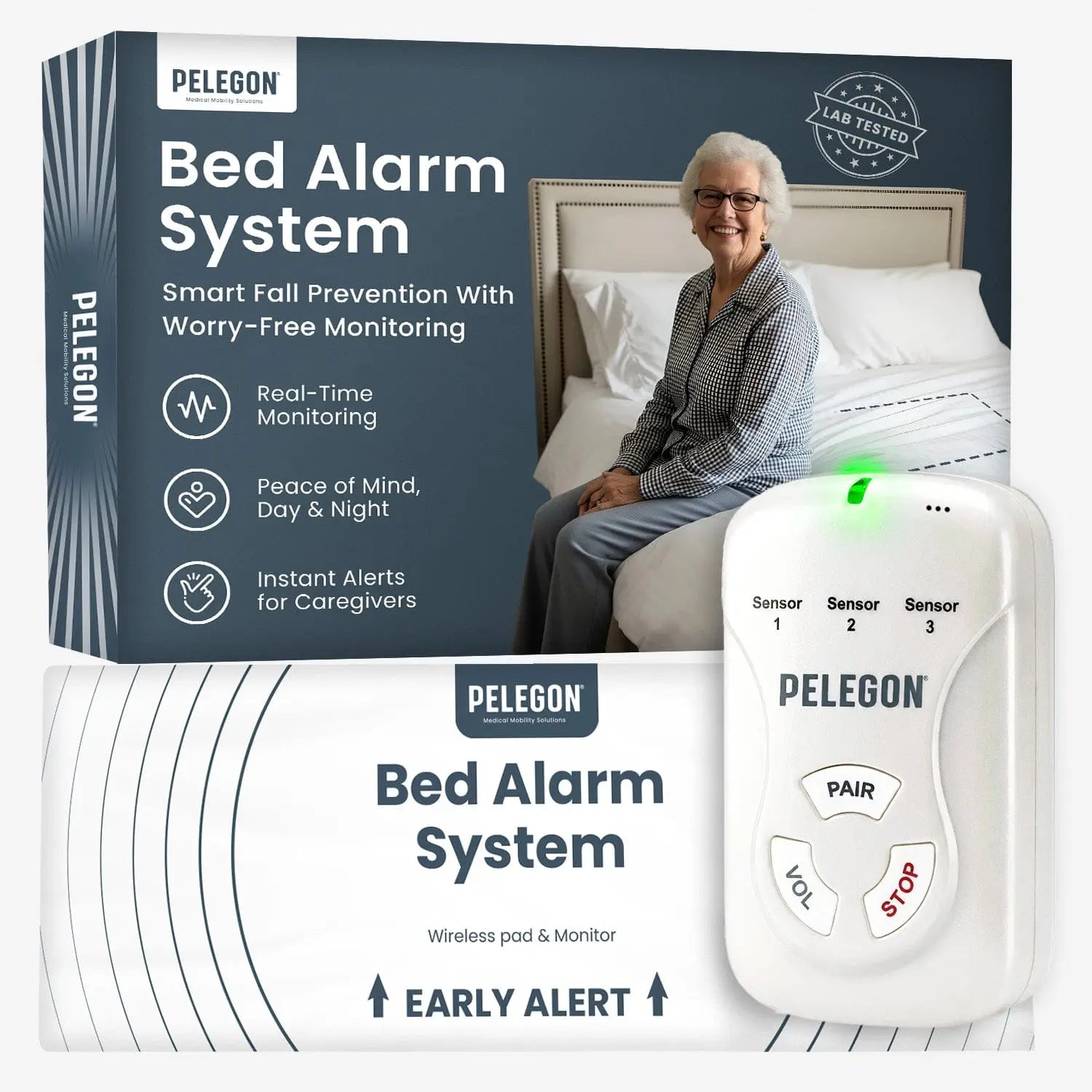
Pelegon Bed Alarm for Elderly
This bed alarm sends a caregiver an alert when the sensor detects a change associated with leaving the bed. The portable pager offers sound and vibration options. It can support nighttime assistance when someone is available to respond promptly.
- Wireless caregiver pager
- Sound and vibration settings
- Sensor pad beneath the sheet
Use safely: Test sensor detection and reception in the actual rooms.
Keep in mind: An alarm needs a responder and cannot physically prevent falls.

Yedadi Bed Ladder Assist for Seniors
This bed ladder provides successive handles for pulling from lying toward sitting. Adjustable webbing helps position the handles within reach. It may suit people with sufficient grip, arm strength, and trunk control after a therapist assesses their movement needs.
- Padded grasp handles
- Adjustable webbing length
- Portable construction
Use safely: Attach only to a compatible anchor specified by the manufacturer.
Keep in mind: Weak grip or shoulder pain may make pulling unsuitable.
Choosing Parkinson’s Aids That Fit Your Needs
There is no single must-have list of Parkinson’s aids that works for everyone. The right choices depend on symptom severity, personal abilities, and which daily tasks have become most challenging. Start with the activity that causes the most difficulty, whether that is dressing, bathing, eating, or moving around the home.
Work with a doctor or occupational therapist to choose suitable tools, check their fit, and learn how to use them correctly. Revisit those choices as needs change; something helpful today may need adjusting later.
With thoughtful choices and professional guidance, the right aids can help restore a sense of daily independence and make routines more comfortable and manageable for both the person with Parkinson’s and their caregiver.
Frequently Asked Questions
What’s usually the first aid a family should get after a Parkinson’s diagnosis?
There is no universal first aid; start with the daily task that is already difficult or unsafe. An occupational therapist can help determine whether equipment, a change in technique, or both would help.
Does insurance typically cover Parkinson’s daily-living aids?
Coverage depends on the item and insurance plan; a Parkinson’s diagnosis does not automatically qualify every aid. In the U.S., Medicare Part B covers eligible, medically necessary durable medical equipment ordered for home use, so confirm coverage before buying.
Should aids be introduced early, or only once symptoms become more noticeable?
Introduce aids when a task starts becoming difficult or unsafe, rather than waiting for severe symptoms. Early assessment can help match support to current needs without buying equipment unnecessarily.
Can the right aids help someone with Parkinson’s stay independent longer?
Yes - appropriately chosen aids can support continued independence by making daily tasks easier and safer. Their usefulness depends on proper fit, training, and reassessment as needs change.
Is it worth having an occupational therapist assess the home before buying aids?
Yes - an occupational therapist can assess daily routines and the home environment to recommend suitable adaptations. This helps match purchases to actual needs and ensures the person learns to use them correctly.


