




A stroke can change ordinary tasks overnight. Home care for stroke survivors such us walking to the bathroom, getting in and out of bed, or stepping into the shower may suddenly need help or a different approach, for both the survivor and the caregiver supporting them.
The right equipment does not undo what a stroke changed, but it can make daily recovery safer and considerably less physically demanding for everyone involved. Stroke reduces mobility in more than half of survivors age 65 and older, and because that effect looks different from person to person, depending on which side of the body was weakened, different tools address different needs: some support mobility, others make bathing or transfers safer, and others protect skin or prevent falls overnight.
How long do you expect to need this equipment?
Thanks for voting
Your answer has been counted.
Choosing equipment for stroke patients at home starts with matching it to where recovery currently stands, then knowing which tools address the daily risks that matter most, from getting in and out of bed to bathing safely.
How to Choose the Right Stroke Recovery Equipment
Equipment needs rarely stay the same throughout stroke recovery. In the first days home, when balance and strength are most affected, a survivor may need considerable physical support just to sit up, stand, or move from bed to chair. One study tracking recovery over the first year found that 42% of stroke survivors were dependent on others for daily activities within the first 36 to 48 hours, a figure that fell to 13% by three months. As that support need eases, the goal of equipment shifts too, from assisting nearly every movement toward simply protecting independence that has already been regained.
Because recovery unfolds differently for almost everyone, it is worth looping in a physical therapist or the treating doctor before buying equipment rather than guessing at what will help. Physical and occupational therapists can assess which side of the body was affected, how much weight-bearing is currently safe, and whether balance or attention changes should influence the choice, details that are not always obvious to family members shopping from a product page.
A few practical factors apply across nearly every category of stroke recovery tools. Because stroke often causes one-sided weakness, equipment that can be operated with a single hand, like a cane with a contoured grip or a bed rail mounted on one side, tends to work better than tools built for two-handed use. Weight capacity matters just as much: a rail or bench rated below the user's actual weight is a liability, not a convenience. And the stability of the base, whether it belongs to a cane, chair, or shower bench, determines how much a person can genuinely lean on it without it shifting underfoot.
Equipment also works best alongside basic home modifications for stroke patients: clearing walkways of cords and loose rugs, adding brighter lighting between the bedroom and bathroom, and removing anything an unsteady foot could catch on. None of this replaces the mobility aids for stroke patients covered next, but it removes everyday hazards equipment alone cannot fix.
Top 10 Must-Have Equipment for Stroke Patients at Home
Stroke recovery needs vary widely, so this list covers a range of devices for stroke patients rather than assuming one-size-fits-all: mobility, bathroom safety, bedroom safety, and daily living needs are all represented.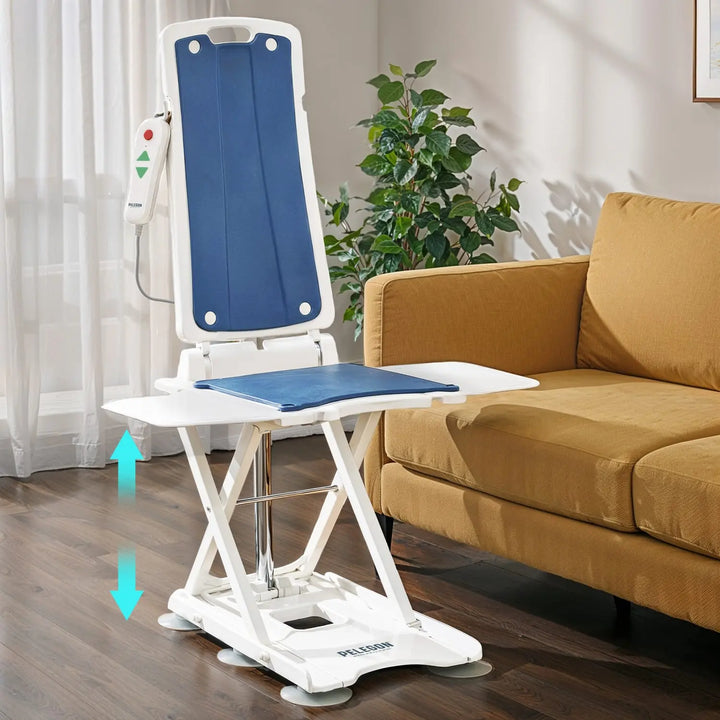
Pelegon Electric Lift Chair for Fall Recovery
This electric lift chair folds flat, slides under someone who has fallen, and uses a motorized scissor-lift to raise them to a seated height of about 18 inches. Its IP68 waterproof rating means it also works inside a bathtub, one of the more common places falls happen after a stroke.
- IP68 waterproof
- Folds to 27.5" × 6"
- Three-button remote
- Weighs 24.6 lbs
- Seats to 18" height
- Bathtub-safe
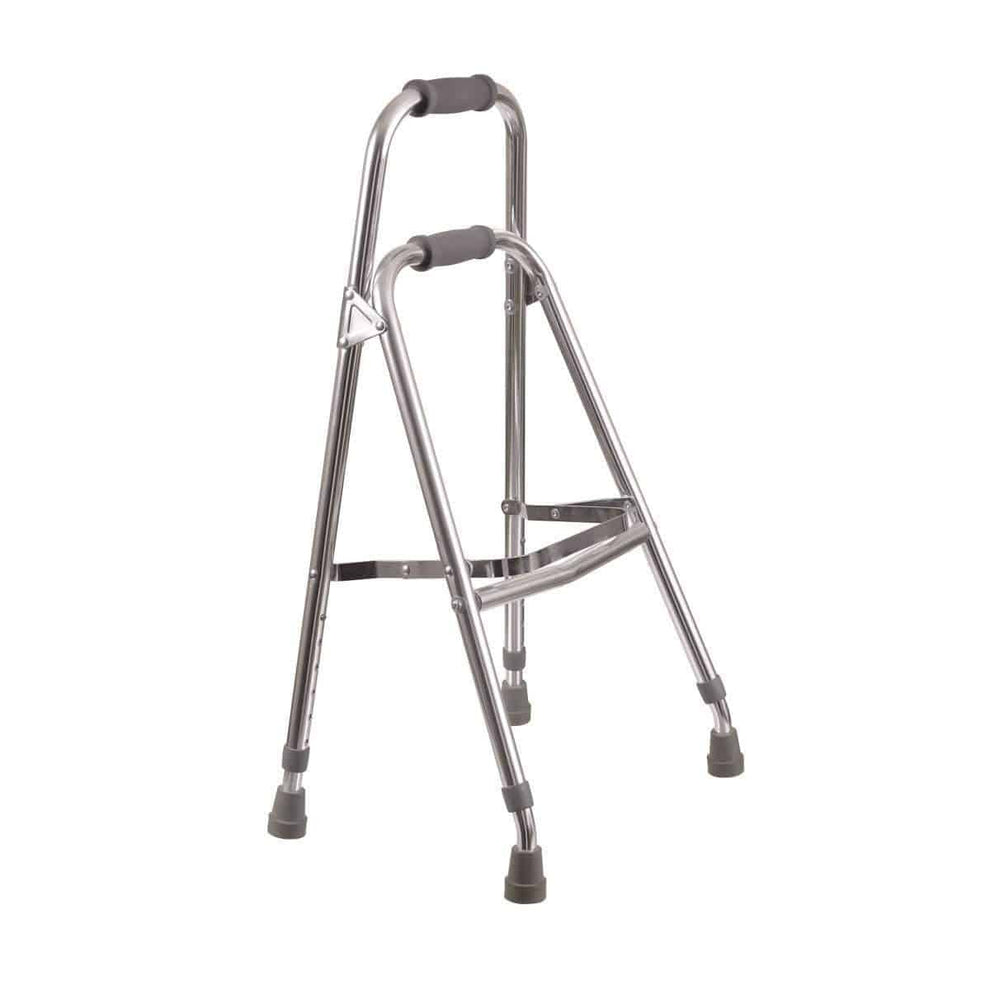
Duro-Med Folding Aluminum Hemi Walker
This hemi walker is a wide, four-legged frame built to be gripped and used with one hand, designed specifically for the one-sided weakness common after a stroke. Unlike a standard walker, it stays stable even when only the stronger arm can bear weight.
- One-hand grip design
- Wide four-point base
- Folds for storage
- Lightweight aluminum frame
- Adjustable height
- No two-hand grip needed
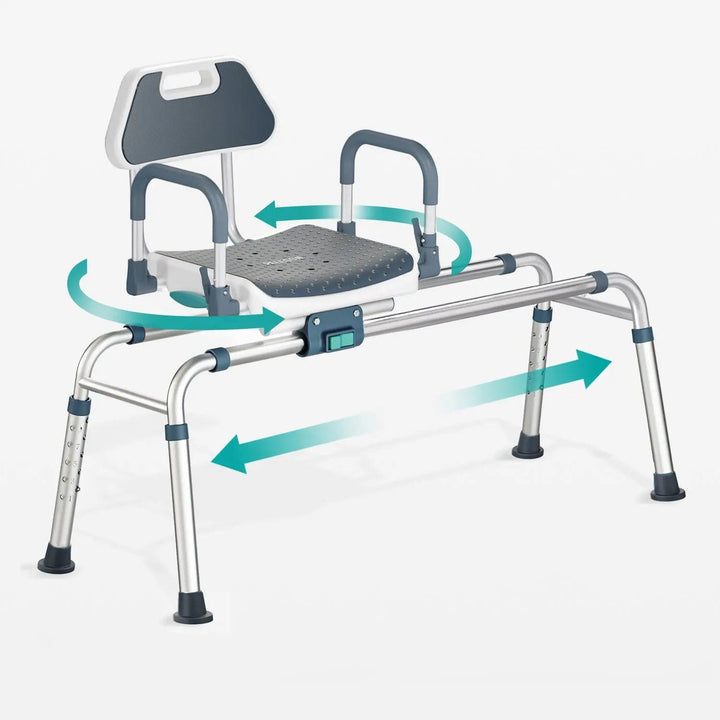
Pelegon Sliding Swivel Shower Chair Transfer Bench
This transfer bench lets someone sit outside the tub, then glide across on a 360-degree sliding system without stepping over the wall. Full rotation also removes the twisting motion that often causes a loss of balance mid-transfer.
- 360° sliding system
- Full rotation
- 250 lb capacity
- Padded armrests
- Safety belt included
- Tool-free assembly
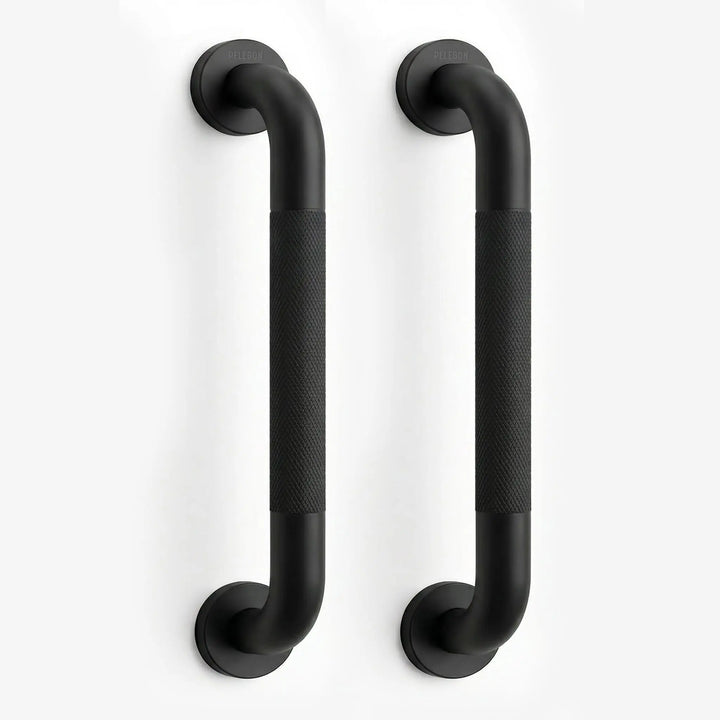
Pelegon Shower Grab Bars, 16" 2-Pack
These steel grab bars mount into wall studs to give a fixed point of support for standing, turning, or lowering onto a shower seat, something a towel rack was never built for. The textured grip is designed to stay secure even when wet.
- Textured non-slip grip
- Mounts into wall studs
- Multiple mount angles
- Rust-resistant steel
- 250 lb capacity
- Permanent installation
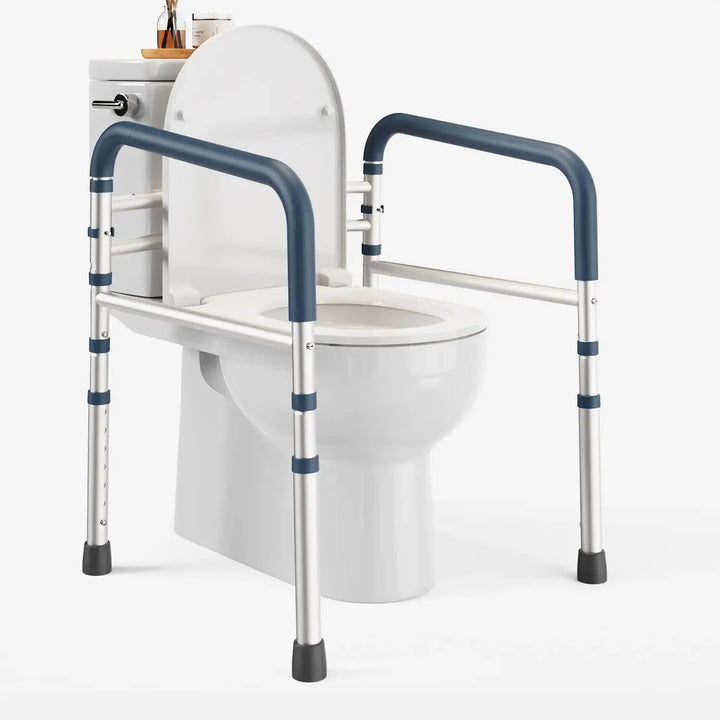
Pelegon Adjustable Toilet Safety Rail (250lb Capacity)
This toilet safety rail attaches to existing toilet seat mounting holes with no legs or floor contact, so it will not crowd a small bathroom. Padded, non-slip grips sit above the seat, positioned for pushing up rather than just holding on.
- No floor legs
- 18"–21" adjustable width
- 250 lb capacity
- Screwdriver install
- Padded grips
- Fits most toilets
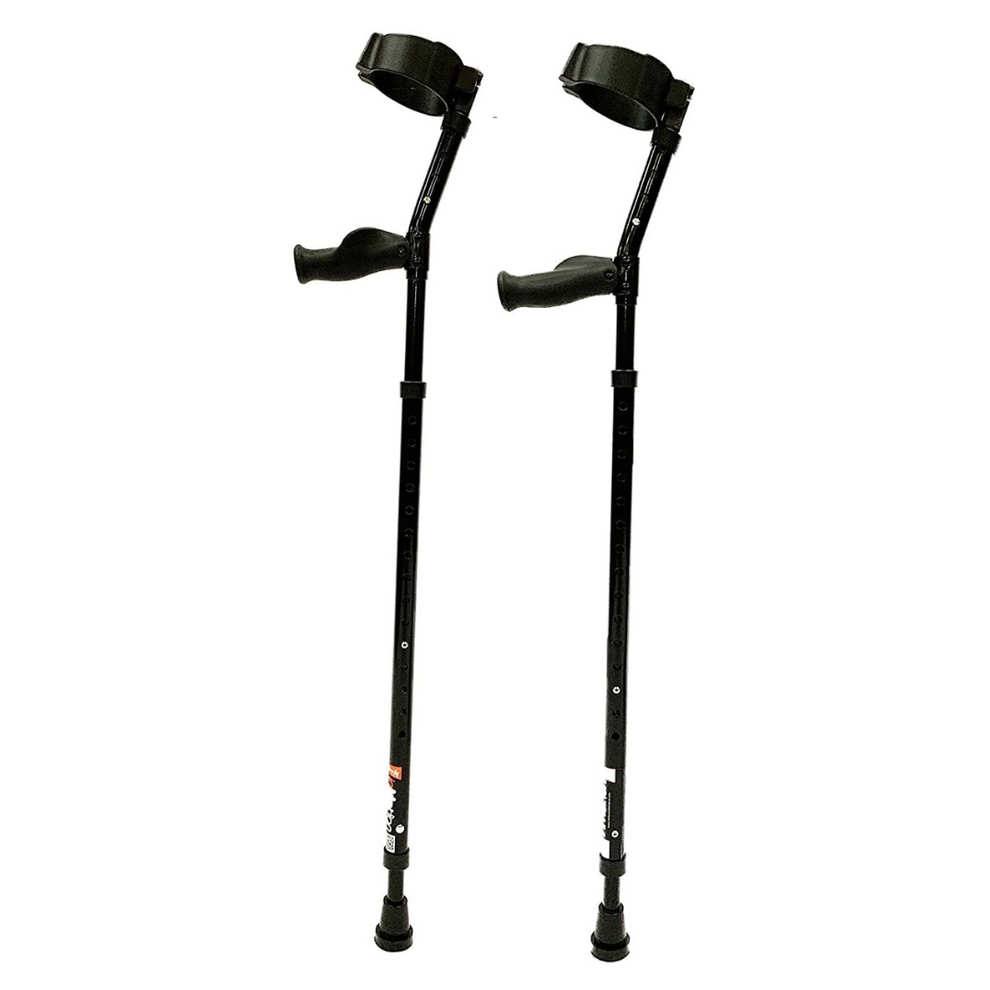
In-Motion Forearm Crutches with Spring-Assist
These forearm crutches use a spring-assist mechanism to absorb some of the shock of each step, useful for walking longer distances than a cane comfortably allows. The forearm cuff also keeps grip secure for a hand with reduced strength.
- Spring-assist cushioning
- Ergonomic forearm cuffs
- Adjustable height
- Non-slip tips
- Lightweight frame
- Sold as a pair
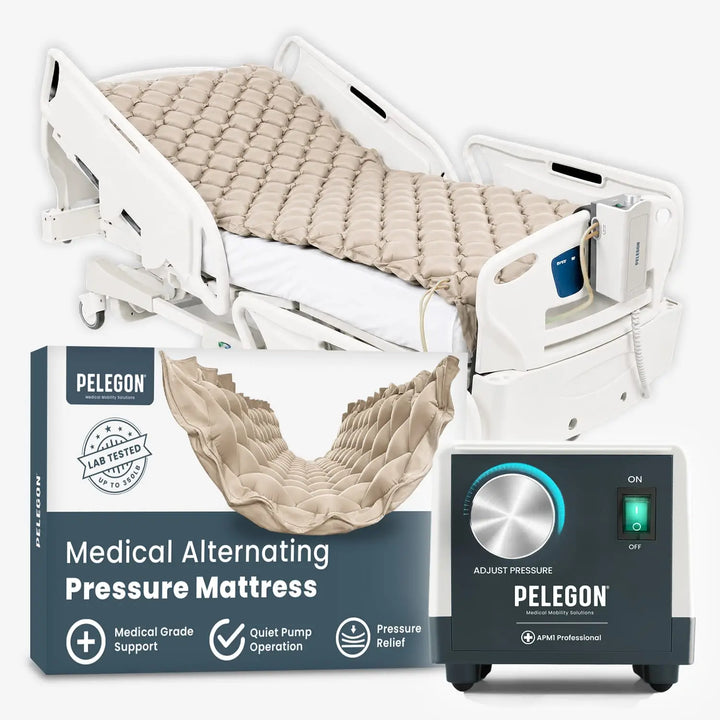
Pelegon Alternating Air Pressure Mattress Pad
This mattress pad cycles air through internal cells every 10 to 12 minutes, continuously shifting where weight rests on the body instead of relying on manual repositioning. One review of hospitalized patients found that up to 83% of pressure injuries develop within the first five days.
- Alternating air cells
- 10–12 min cycle
- 300 lb capacity
- Whisper-quiet pump
- Waterproof PVC
- Fits standard beds
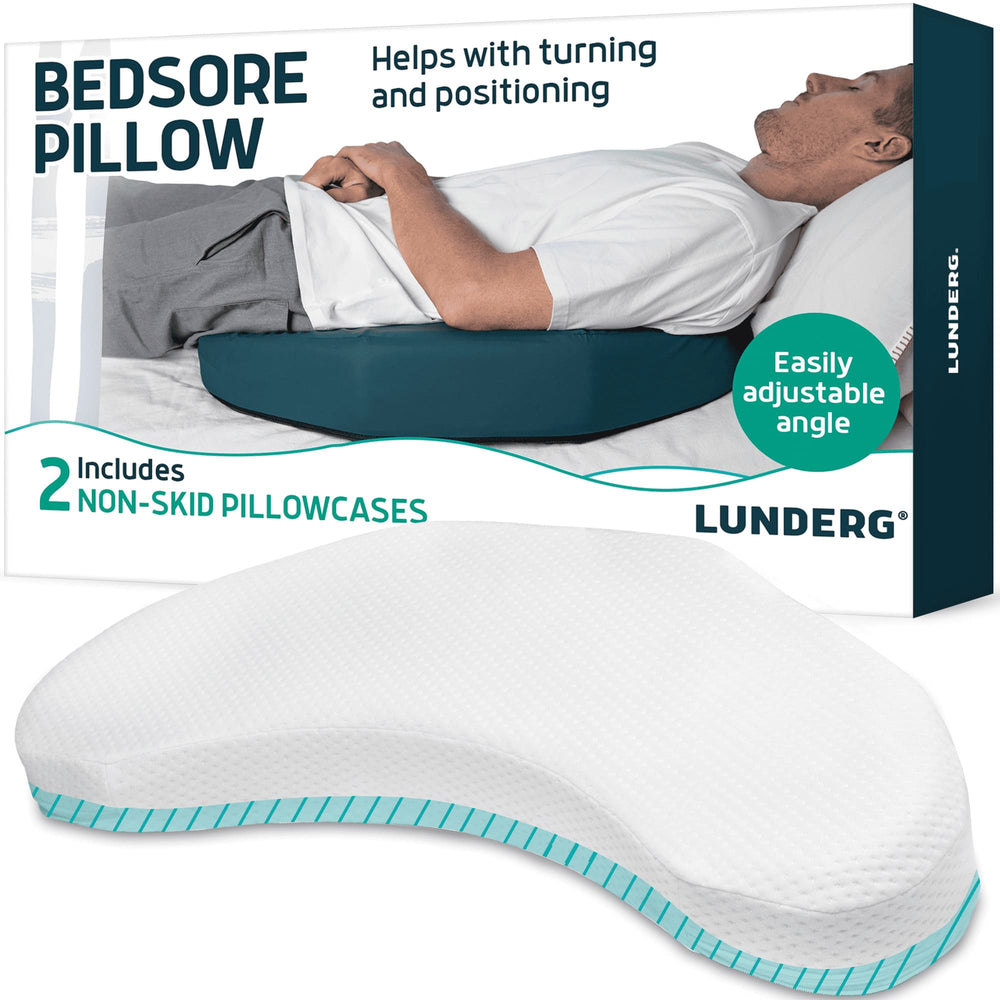
Lunderg Pillow for Bed Sores
This positioning pillow keeps pressure off vulnerable points like the hips and heels between repositioning, working alongside an air mattress pad rather than replacing it. Its cover is washable, since it will need frequent cleaning.
- Contoured foam support
- Washable cover
- Reduces heel/hip pressure
- Lightweight
- Multi-position use
- Pairs with air mattress pads
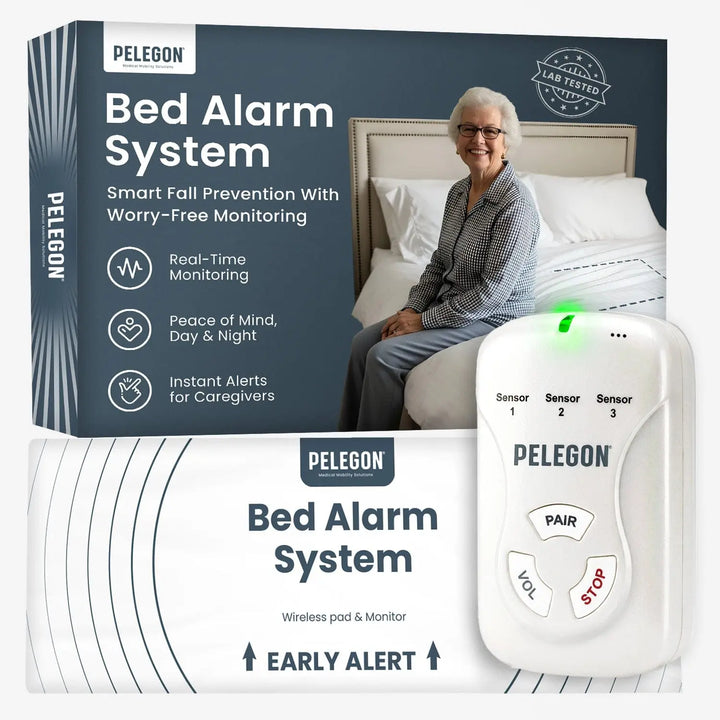
Pelegon Bed Alarm for Elderly, Fall Prevention
A pressure-sensitive pad under the sheet detects the moment someone begins to rise, then alerts a caregiver's pager up to 328 feet away. Falls are most common in the first month after a stroke survivor returns home, exactly the window this alarm is most useful for.
- 328 ft pager range
- No-tools setup
- Sound, volume, or vibration
- 300 lb capacity
- ~12-month pad life
- FSA/HSA eligible

EZHOISLING Adaptive Anti-Tremor Utensils
Weighted, anti-slip utensils help stabilize eating for someone with a tremor or reduced grip strength on one side, without needing assistance at every meal. Dishwasher-safe versions hold up better to daily use than one might expect.
- Weighted, stabilized grip
- Non-slip handles
- Dishwasher safe
- One-handed friendly
- BPA-free materials
- Fork & spoon set
Finding the Equipment That Fits Your Situation
There is no single must-have list that fits every stroke patient. The right home modifications for stroke patients depends on which side of the body was affected, how much support is currently needed, and which daily tasks feel the least safe right now, so a list like this one is a starting point, not a checklist to complete in full.
Combining the right equipment with guidance from a physical therapist or doctor tends to produce the best results, since they can point toward what actually matters for a specific recovery rather than what looks helpful in general. With the right tools in place, many stroke survivors find that daily independence, and the confidence that comes with it, returns sooner than expected.
Frequently Asked Questions
What equipment is most important to get first after a stroke?
There is no universal first purchase; the priority matches whichever daily task is least safe right now, whether that is standing up, transferring to the toilet, or getting in and out of bed. A physical or occupational therapist can typically identify that single biggest risk within the first home visit.
Does insurance typically cover stroke recovery equipment?
Often, yes, but coverage depends on medical necessity, not availability. Medicare covers durable medical equipment when a doctor orders it for home use and it meets Medicare's definition of durable gadgets for stroke victims, though a coinsurance usually still applies.
How do I know which side of equipment, like a cane, to use after a stroke?
A cane belongs on the stronger, unaffected side of the body, not the weaker one. Clinical guidance on hemiplegic gait confirms this position lets the cane support the body while the weaker leg bears weight, the opposite of what feels intuitive to many people.
Can stroke recovery equipment be rented instead of purchased?
Yes, much of it can. Medicare itself rents rather than buys most standard equipment for the first 13 months before ownership transfers, and private medical supply companies offer similar short-term rentals for families still deciding what long-term equipment will be needed.
Is professional home modification necessary, or can basic equipment be enough?
For most households, basic equipment paired with simple do-it-yourself changes, like clearing walkways and improving lighting, is enough. Professional modification, such as widening doorways or installing a permanent ramp, is worth considering only when mobility loss is significant or the home's layout itself is the obstacle.
Is Bell's palsy the same thing as a stroke?
No. Bell's palsy is a temporary weakness of one facial nerve that develops over 48 to 72 hours and usually improves on its own, while a stroke is a medical emergency from interrupted blood flow to the brain that requires immediate care.
Was this article helpful?
Thanks for voting
Your answer has been counted.

